High value low volume Komodo tourism and Neptune Cruise 2027 means fewer than 200 licensed cruise guests per day across our core Komodo itineraries, yet up to 30–40% higher average spend per traveller compared with 2019. This shift funds stricter conservation, better crew careers, and higher comfort standards on every sailing.
How is the 2027 high value low volume Komodo tourism model changing the way cruises operate?
By 2027, national and regional planners are openly prioritising high value low volume Komodo tourism 2027 over mass day‑tripping. This mirrors global moves in small‑island destinations to cap visitor numbers while encouraging longer stays and higher per‑guest spend. Premium operators like Neptune Cruise are aligning capacity, pricing, and shore programming with this direction.
The komodo cruise market shift post pandemic 2027 is clear: instead of pushing for full boats every day, larger brands and family operators are reallocating cabins to longer itineraries and to guests who actively seek responsible tourism in Flores and Komodo. Policy frameworks such as Undang‑Undang No. 10 Tahun 2009 on tourism, and the specific KBLI 50113 category for Angkutan Laut Dalam Negeri untuk Wisata Menengah Tinggi (referenced again in Peraturan Menteri Pariwisata dan Ekonomi Kreatif Nomor 6 Tahun 2025), encourage this more selective approach.
For Neptune Cruise, part of Juara Holding Group since 2015, this means limiting daily shore groups, investing in guide training about over tourism management in Komodo, and shaping itineraries that put conservation and community income ahead of sheer headcount. Guests see this in quieter trails, better wildlife behaviour, and richer cultural encounters on every call.
Why do premium guests and UHNW travellers gravitate to Neptune in a capped‑volume Komodo era?
Ultra‑high‑net‑worth guests increasingly prefer controlled environments with clear conservation benefits. In 2027, Komodo’s shift toward visitor caps and stricter codes of conduct for Komodo visitors plays directly into that preference. A smaller number of yachts and expedition vessels can access prime anchorages and time slots with less crowding and better ranger support.
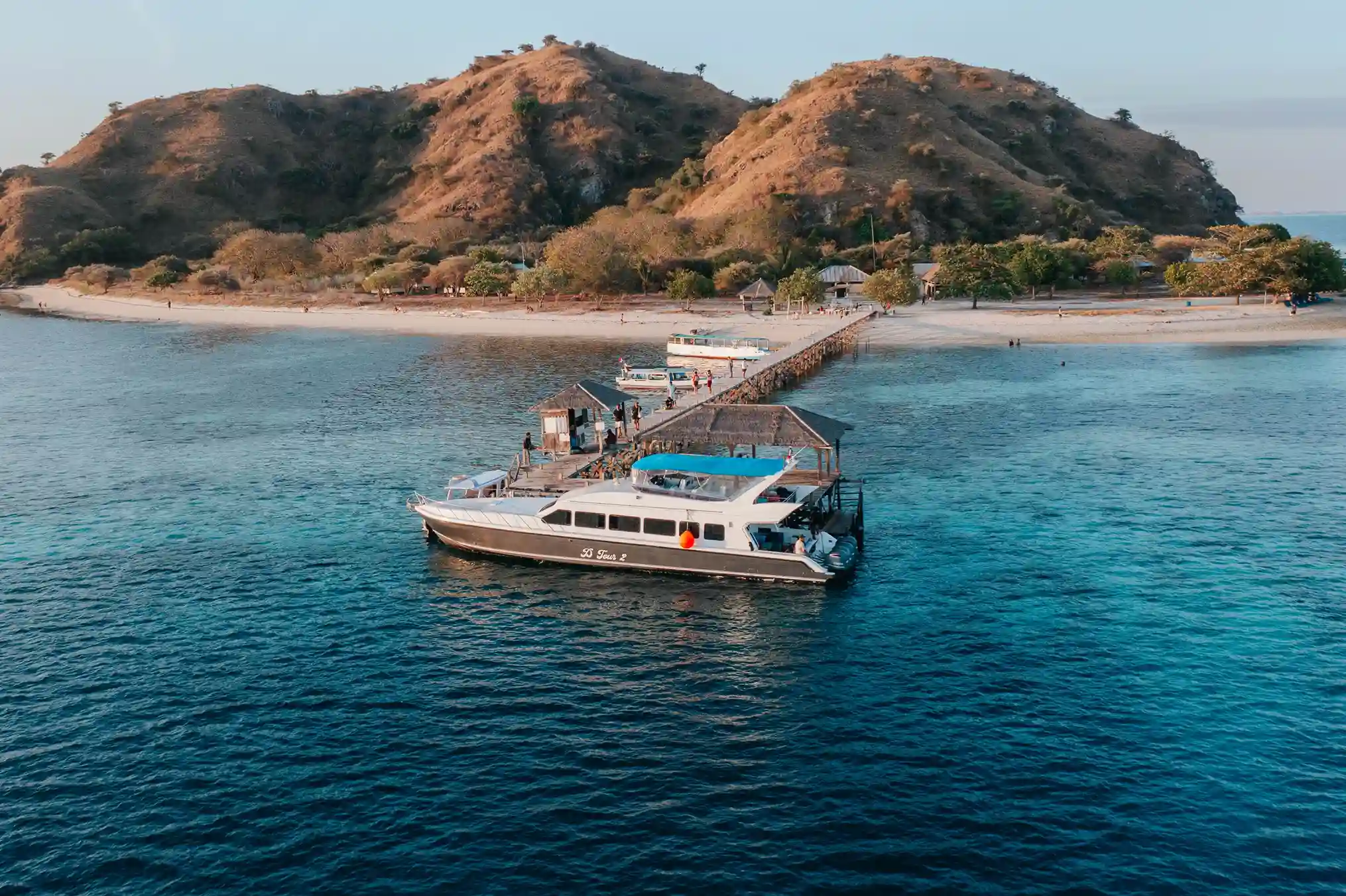
Neptune’s role is not only as a stand‑alone Bali–Komodo cruise line, but also as a logistics and guest‑experience partner for uhnw komodo superyacht plus neptune support arrangements. A private superyacht may anchor off Padar or Gili Lawa, while Neptune tenders, guides, and cultural facilitators manage shore activities and compliance with park rules.
Documented frameworks like Peraturan Menteri Perhubungan Nomor 59 Tahun 2021 on related maritime services and KBLI 5011 for domestic sea passenger transport give legal clarity for Indonesian‑flagged support vessels. High‑yield guests gain a compliant, fully‑staffed platform that aligns convenience with sustainability, rather than “doing it alone” and risking missteps with permits or local expectations.
How do seasons, surcharges, and discounts work for a high‑yield Komodo cruise in 2027?
Seasonality remains one of the strongest levers for managing pressure in Komodo National Park. High‑yield, low‑volume policy does not mean constant high prices; instead, it preserves sensitive months while rewarding guests who choose softer demand periods. This is where low season neptune cruise komodo discounts and high season neptune cruise komodo surcharges are transparently used to balance demand.
As of August 2026, guests can expect discounts of around 10–20% on selected departures from January–April, excluding the komodo cruise in March transition month when weather can still shift quickly. In contrast, July–September departures may carry surcharges of 10–25% as of August 2026, reflecting limited berthing slots and higher operational planning costs.
The government’s broader network of 28 yacht ports and 10 international cruise ports, formalised under PM 4/2022 and amended by PM 14/2023, means more embarkation flexibility. Nevertheless, safety‑first decisions sometimes require last‑minute itinerary changes; guests should review Neptune’s guidance on Komodo cruise weather closure policies to expect in 2027 before locking dates. In practice, those who sail outside school holidays experience quieter trails and more personal guiding while still contributing strong per‑guest revenue to local communities.
How does Neptune integrate conservation, ESG, and community‑led tourism into each itinerary?
High value low volume Komodo tourism 2027 will only be accepted locally if the benefits are visible in Flores villages and ranger stations, not just on board. That is why community led tourism in Flores islands is at the core of Neptune’s shore design. Visits are pre‑booked with community cooperatives, and guest flows are staggered so that artisans and guides are not overwhelmed.
Concrete experiences include batik workshops during komodo sailings in coastal villages near Labuan Bajo, cooking demonstrations using seasonal produce, and guided walks led by youth groups who receive part of the excursion revenue. These activities reduce dependence on dragon‑viewing alone, spreading income beyond park entry fees.
From an investor and corporate perspective, esg reporting for komodo cruise operators is no longer optional. Impact investing in komodo maritime tourism increasingly depends on measurable outcomes: local employment ratios, fuel‑efficiency upgrades, and documented contributions to ranger training. Neptune’s itineraries and procurement choices are shaped so that premium fares clearly support reef‑friendly operations and long‑term skills in Flores communities.
What does a 2027 Neptune Komodo itinerary actually feel like on board and ashore?
Experientially, the shift to high value low volume is visible in smaller landing groups, slower pacing, and curated moments that older mass itineraries rarely delivered. An early‑morning hike to the Pada Island viewpoint from Neptune Cruise, for example, is planned so that no more than a handful of guests are on the trail at once, maximising both ranger safety oversight and photographic opportunities.
On board, capacity controls mean crew‑to‑guest ratios trend higher than pre‑2020 levels, with more time for individual briefing on codes of conduct for Komodo visitors: minimum distance to dragons, drone restrictions, and reef‑safe sunscreen use. As of August 2026, typical Neptune sailings also integrate at least one extended snorkelling block guided by certified marine naturalists, rather than a quick stop‑and‑go schedule.
For travellers starting from Bali, the Neptune Cruise Bali to Komodo luxury route combines overnight crossings with quiet anchorages that avoid crowd peaks at key islands. Guests experience Flores and Komodo as a series of early‑morning and late‑afternoon windows, instead of joining day‑boat peaks from Labuan Bajo. This rhythm underpins the whole high‑value, low‑volume philosophy.
How is Neptune preparing commercially for 2027 demand — from B2B partners to online search?
The shift to fewer, higher‑yield guests also changes how inventory is sold. Many international tour operators now prefer guaranteed allotments on small‑ship programs rather than bulk blocks on large vessels. To support this, Neptune negotiates b2b contracts for komodo cruise inventory with fixed‑release and dynamic‑rate mechanisms, aligning wholesale partners with conservation‑driven capacity caps.
At the same time, direct traffic and digital discovery matter more than ever. Focused seo for neptune cruise komodo website content targets specific research intents — such as “Komodo in March transition month” or “luxury Bali–Komodo yacht” — rather than chasing generic high‑volume keywords. This approach filters in guests whose expectations and budgets match high value low volume Komodo tourism 2027.
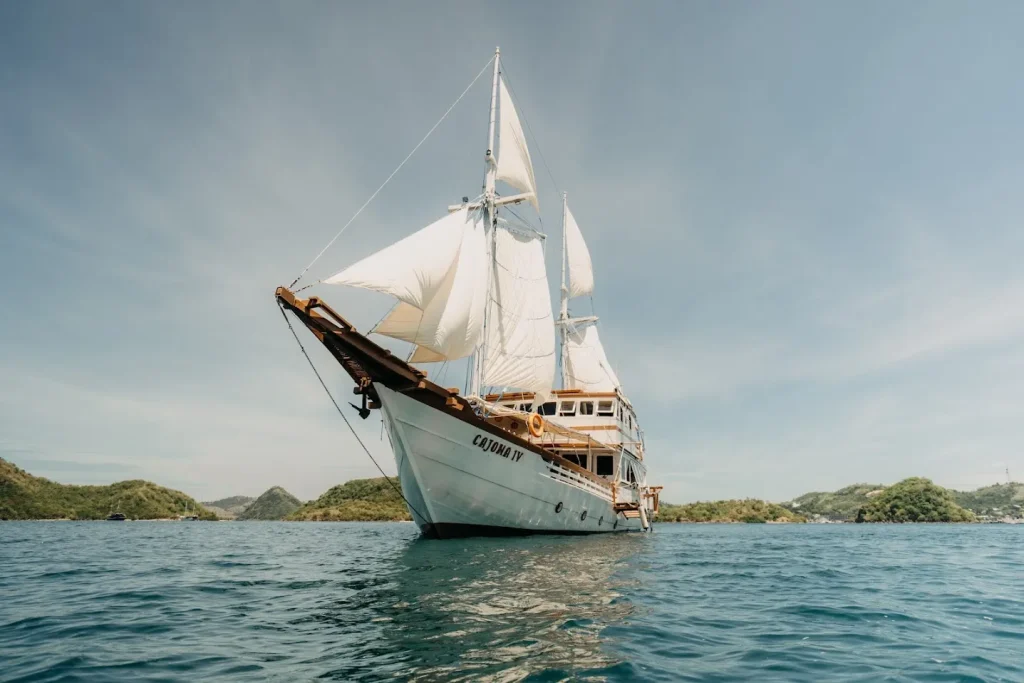
Investors and trade partners examining the komodo cruise market shift post pandemic 2027 often compare vessel styles, inclusions, and sustainability credentials. For detailed vessel layouts, service levels, and cabin comparisons, prospective buyers can review Neptune Cruise Komodo yacht comparison and reviews to match the right yacht class with their guests’ profile before contracting.
- Typical Neptune sailings limit landing groups to around 8–10 guests per guide to enhance safety and wildlife etiquette.
- Seasonal pricing bands (as of August 2026) apply: low, shoulder, and peak, with transparent discount and surcharge windows.
- Village visits are pre‑scheduled with community associations to ensure capacity control and agreed revenue shares.
- All itineraries brief guests on park and village protocols in line with national tourism law and local ranger guidance.
- Support for private yachts includes licensed tenders, English‑speaking guides, and logistics coordination with local ports.
- Key legal frameworks include UU No. 17/2008 on Shipping and Ministerial Regulation 121/2018 on cruise handling in ports.
- Sample combo routes are available for guests interested in Combining Komodo and Raja Ampat cruises in 2027 under one planning window.
Frequently asked questions
how much does High value low volume Komodo tourism and Neptune Cruise 2027 cost in Bali?
As of August 2026, premium Bali–Komodo itineraries typically range from mid‑three to low‑five figures in US dollars per person, depending on cabin category, length (usually 4–10 nights), and charter versus scheduled departure. High season surcharges and low season discounts can shift final pricing by roughly plus or minus 20%.
is High value low volume Komodo tourism and Neptune Cruise 2027 worth it in Bali?
For guests who value space, guided learning, and quieter wildlife encounters, the 2027 model is often more rewarding than pre‑pandemic mass trips. Higher fares directly support trained crews, conservation‑aligned programming, and community experiences. Travellers focused only on the lowest price per night may find simple day‑boats more suitable.
what is included in High value low volume Komodo tourism and Neptune Cruise 2027?
Inclusions usually cover cabin accommodation, meals, non‑alcoholic drinks, guided hikes, snorkelling equipment, and scheduled community visits. Park fees, fuel surcharges, and premium beverages may be separate. As packages vary by yacht and season, guests should request a detailed inclusion sheet and contract before paying any deposit.
which month is best for a high value low volume Neptune Komodo cruise?
May, June, and October often balance calmer seas with fewer crowds, aligning well with the high value low volume approach. A komodo cruise in March transition month can be attractive for flexible travellers, but weather changes may affect itineraries. Reviewing current climate patterns and closure notices for 2027 is strongly recommended.
how do B2B partners secure space with Neptune under 2027 capacity limits?
Trade partners usually sign annual or multi‑season b2b contracts for komodo cruise inventory with clearly defined release dates and allotments. Because guest caps are strict, early contracting is advised. Agents and DMCs can request technical decks, ESG summaries, and sample reports to align Neptune itineraries with their own product and sustainability standards.
To plan High value low volume Komodo tourism and Neptune Cruise 2027 or request a tailored quote, contact the Komodo Luxury desk via WhatsApp 628113823875 or email sales@komodoluxury.com.
Last updated 1 August 2026
