Komodo Snorkeling Cruise – Manta Point, Pink Beach & Taka Makassar

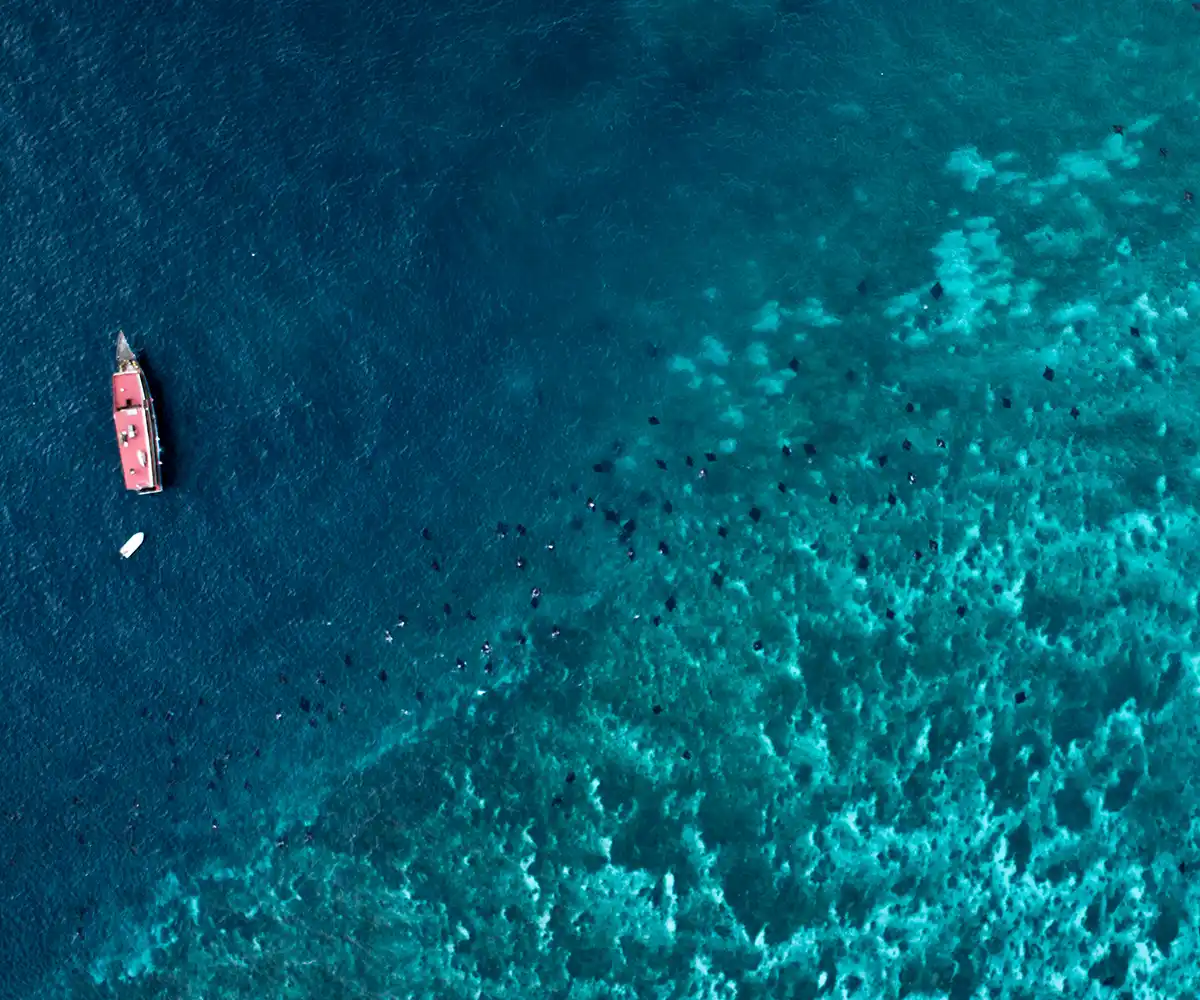
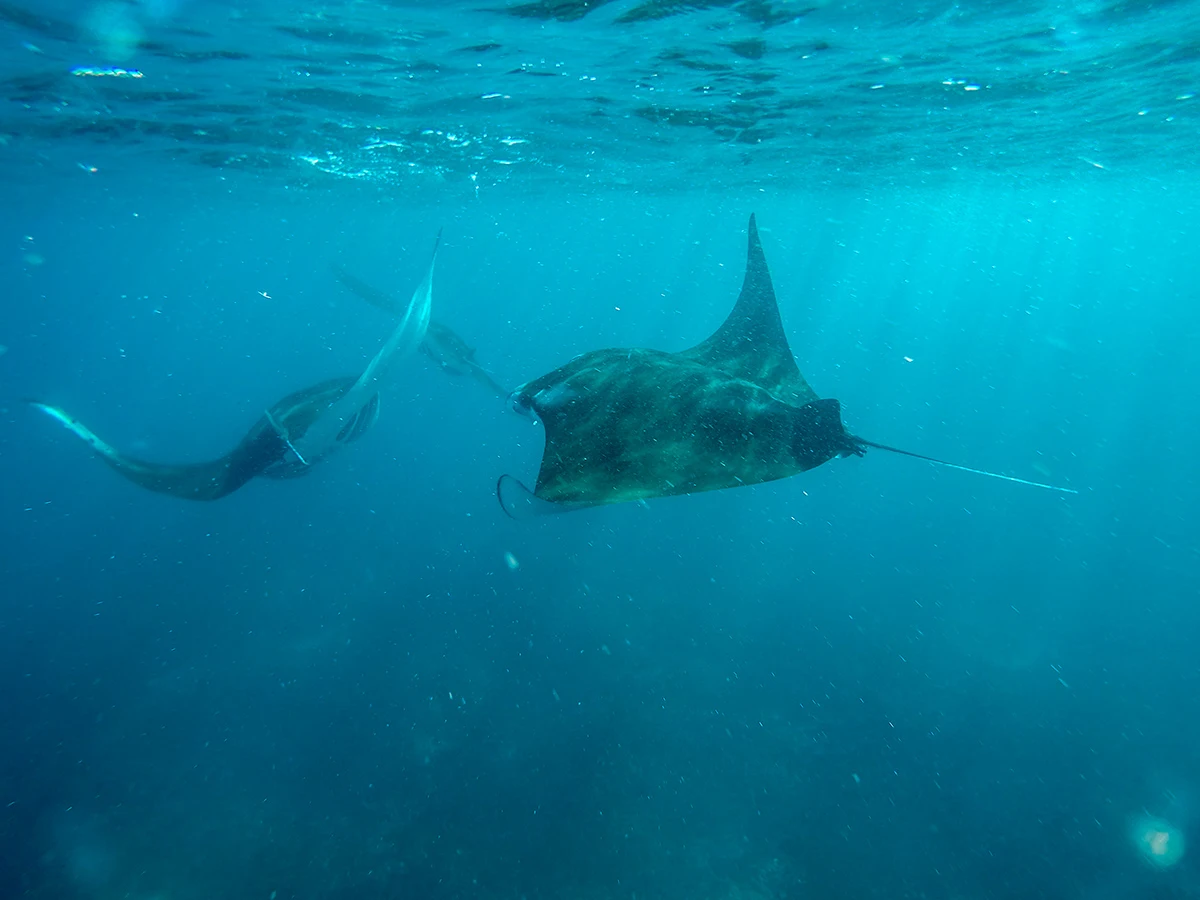
Reef manta ray gliding over a coral reef in the clear water of Komodo National Park

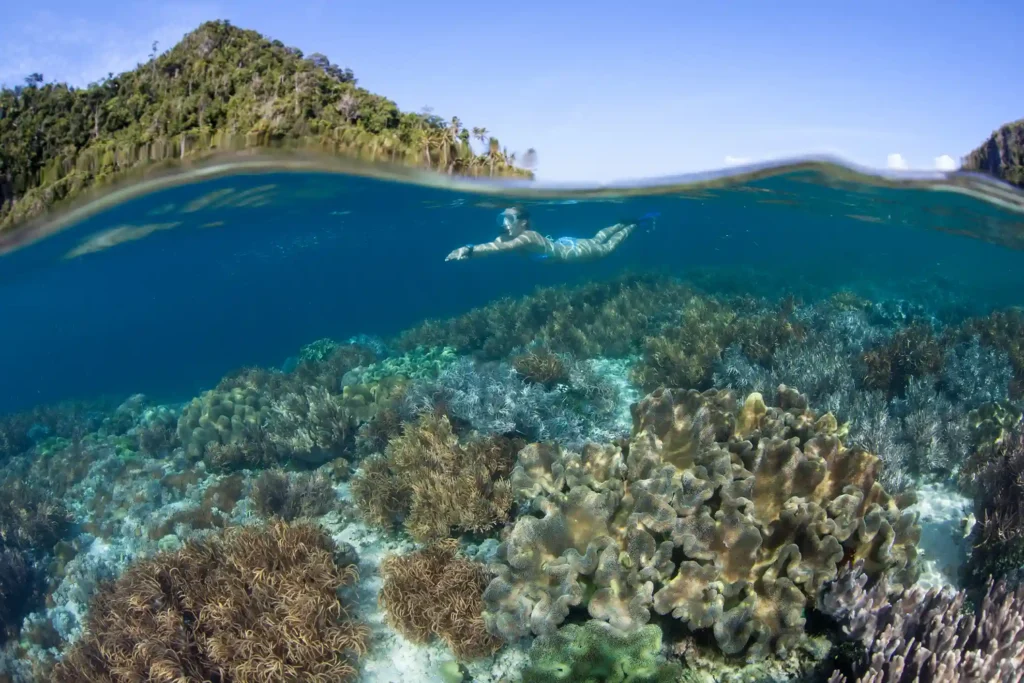
Every stop on the Neptune Cruise route is snorkellable. Kelor, Manjarite, Taka Makassar and Siaba Besar are easy beach or shallow entries; Pink Beach and Sebayur are moderate; Manta Point at Karang Makassar is a drift snorkel in current and the one stop that needs confident swimmers. Gear and life vests are included.

The sites, ranked by how hard they are

Snorkelling sites on the Neptune route
SiteDifficultyWhat you seeEntry
Kelor IslandEasyFringing reef off white sandBeach entry from the tender
ManjariteEasyShallow coral gardenShallow water, calm
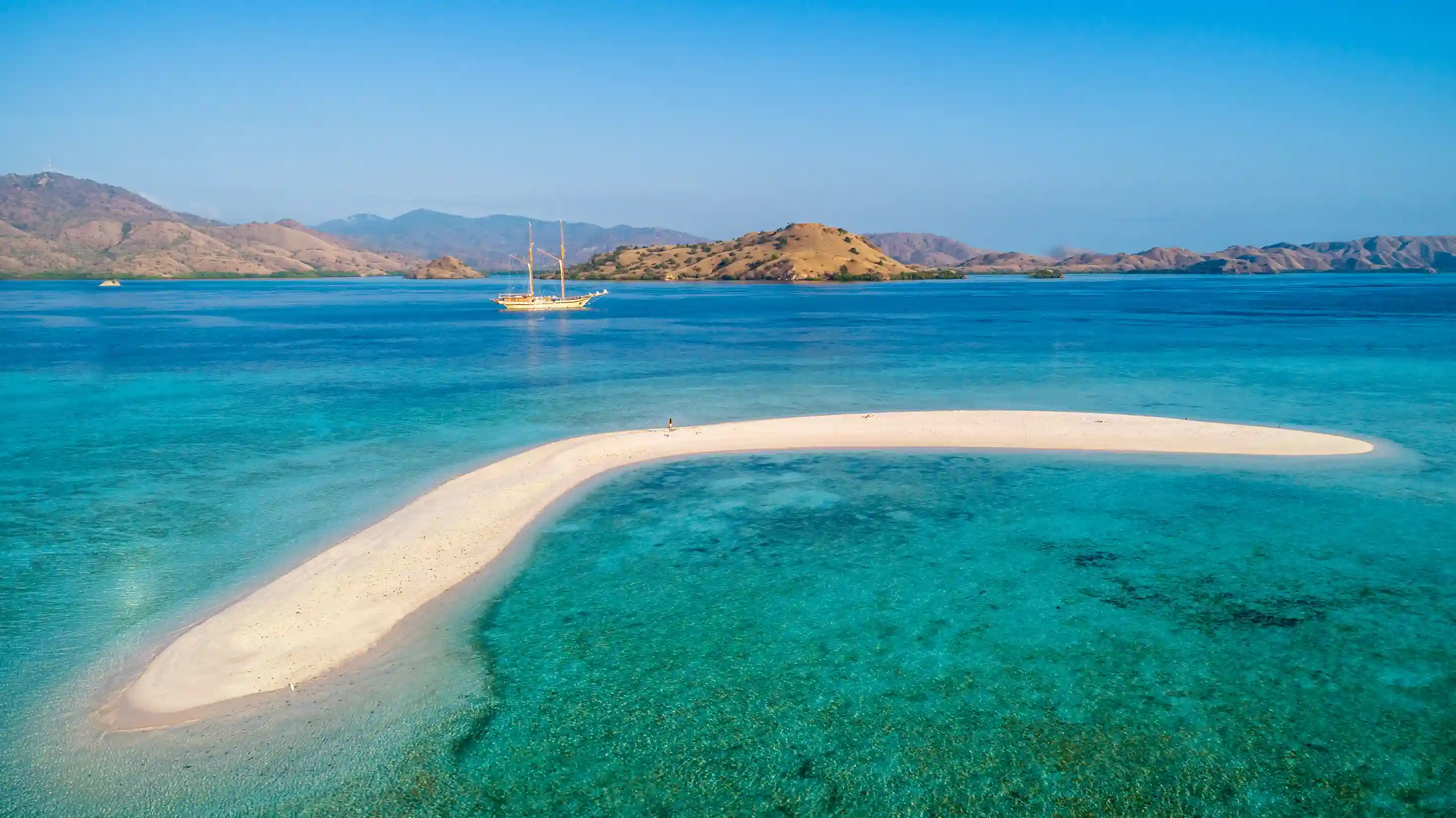
Taka MakassarEasySandbar shallows, clear turquoise waterWade in from the bar
Siaba BesarEasyGreen turtles in a sheltered bayCalm bay, boat entry
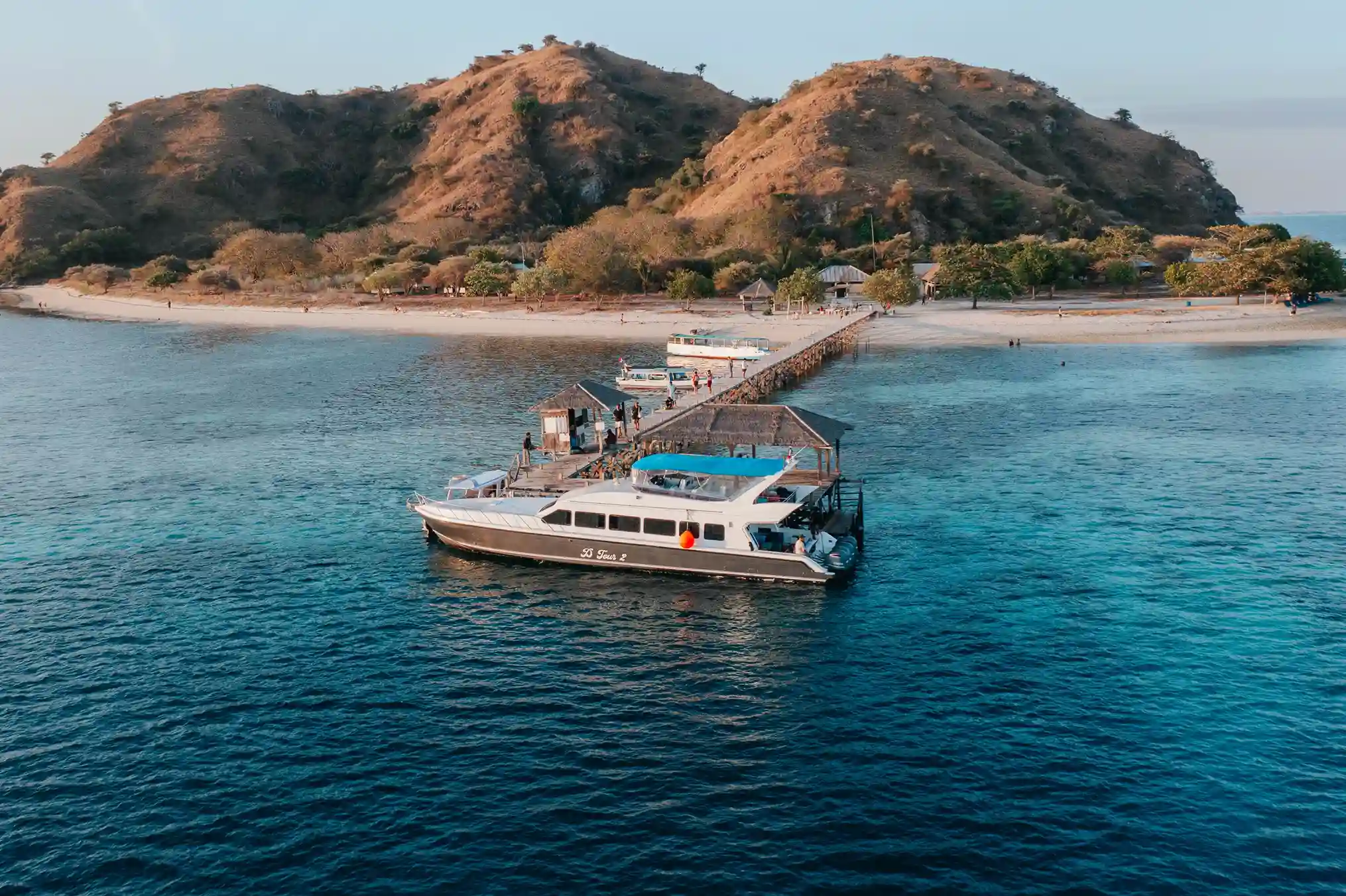
Kanawa IslandEasyShallow reef close to Labuan BajoBeach entry
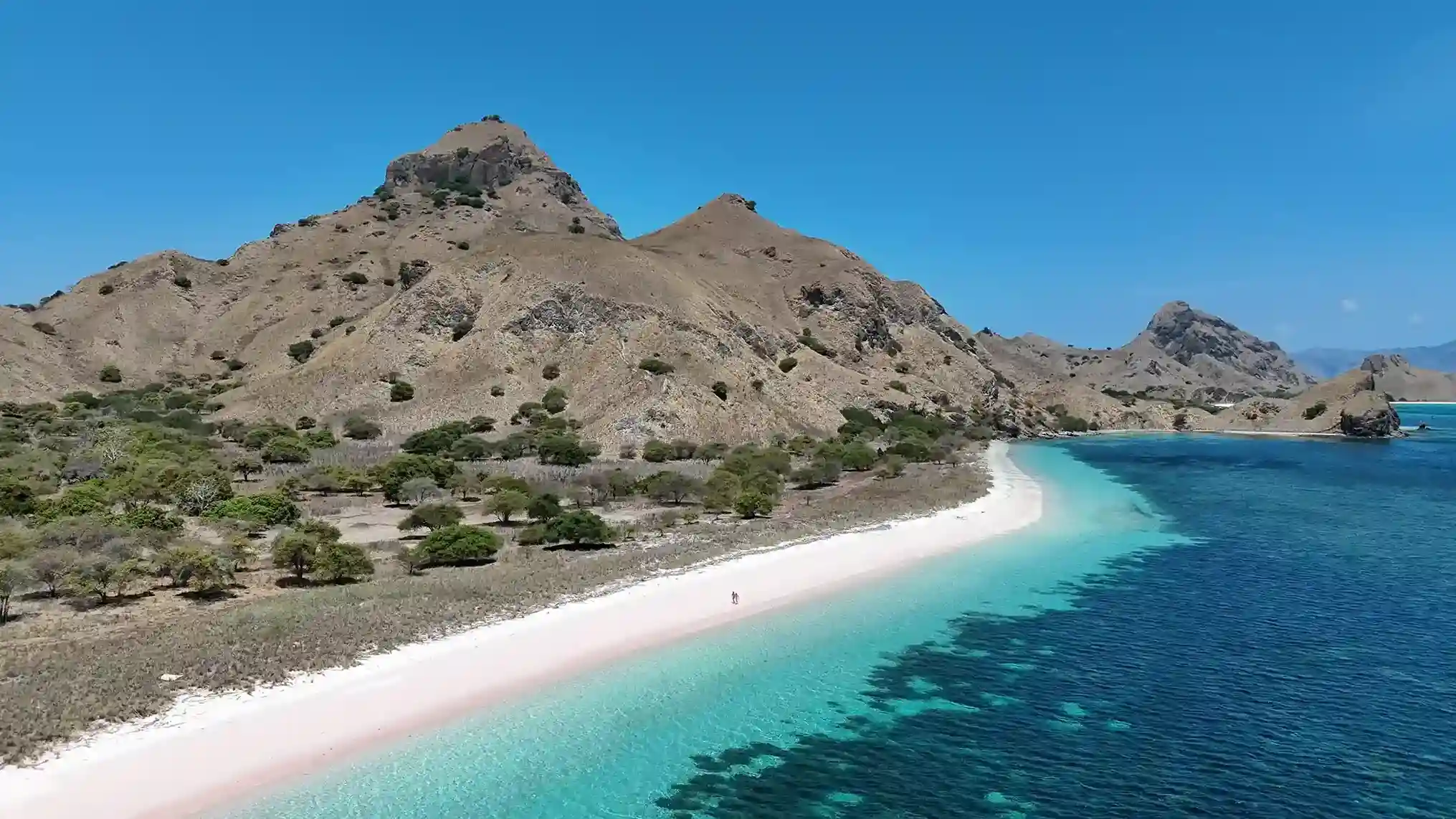
Pink BeachEasy to moderatePink-tinted sand, fringing reefBeach entry, some surge
SebayurModerateReef and wallBoat entry, mild drift
Tatawa BesarModerateCoral garden driftBoat entry, moving water
Manta Point / Karang MakassarModerate to hardReef mantas at a cleaning and feeding channelBoat entry into current – drift snorkel

Which of these you get depends on route length. The 3D2N route covers Kelor, Manjarite, Pink Beach, Manta Point, Taka Makassar and Sebayur. Tatawa Besar and the northern reefs come in on the 4D3N extended itinerary.

Manta Point, described the way it actually is

Karang Makassar is a wide, current-swept channel. Reef mantas gather there to feed and to be cleaned, and you snorkel it as a drift: the tender drops you up-current, you float, and the water carries you over the cleaning stations while the guide keeps the group together and the boat tracks you from above.

Three honest points. First, the animals are wild. Sightings are common through most of the year when the currents are running, but nobody can guarantee them, and any operator who does is selling you something they do not control. Second, this is genuinely moving water; if you are a weak swimmer, say so before the briefing and the guide will keep you close, in a vest, on the sheltered edge. Third, keep your distance. Do not touch, do not chase, do not swim directly over a manta – crowding animals at a cleaning station drives them off the site, which is how a good stop gets ruined for everyone who comes after you.

Southern sites such as Manta Alley also hold mantas, with reports peaking roughly between October and December, but they sit a long sail south and only come into range on 5D4N and longer routes.

What is on board, and what to bring yourself

Snorkelling equipment and life vests are included in every rate, and the dive deck on the lower deck gives you somewhere to rinse and hang gear so it does not end up in your cabin. The crew shoots drone, GoPro and mirrorless footage through the trip, which is included.

Serious snorkellers usually still bring their own mask – fit is personal and a leaking mask ruins a good site – plus a rash guard for sun protection in the water, and reef-safe high-SPF sunscreen. A dry bag and a power bank are the two items guests most often wish they had packed.

Visibility and timing

Visibility in Komodo runs in bands rather than at a fixed number. Through the dry season from June to September it is often in the 20–30 metre range; in the wet season from December to March, 10–20 metres is more typical. It varies site to site and year to year, and current has as much to do with what you see as clarity does. April to June is often described as the green season: good visibility with green islands and fewer boats.

Snorkelling or diving?

Snorkeller versus diver on the same trip
SnorkellerCertified diver
Manta PointDrift snorkel at the surfaceDrift dive at the cleaning stations
Pink Beach and KelorFull accessShallow dive or snorkel
Taka MakassarFull accessShallow
Castle Rock, Crystal RockNot suitable4D3N and longer, advanced
Batu BolongNot suitableCertified only, strong current
Gear includedYes – mask, snorkel, fins, vestDive kit arranged separately
Extra costNoneDive fees and park diving fee per day

To be precise about what we are: Neptune Cruise is a dive-friendly phinisi with a dive deck, not a dive centre, and we do not employ our own instructors. Dive services are arranged with partners and certification is checked before departure. Snorkelling, by contrast, is fully covered by the crew and the included gear.

Nervous swimmers and non-swimmers

Life vests are provided and used freely – nobody on this boat is judged for wearing one. Manjarite, Siaba Besar and Taka Makassar are shallow, calm and forgiving, and the guide stays in the water with the group. Non-swimmers can still do the sandbar, the beaches, Padar and the dragon trek, and skip the drift sites without missing the trip. Say it at booking so the crew plans for it rather than discovering it at the first entry. If snorkelling is the whole reason for your trip, it is worth checking more snorkelling-focused departures alongside this route.

Full stop-by-stop context sits on the Komodo island cruise page.

Frequently asked questions

Is snorkelling equipment included?

Yes. Masks, snorkels, fins and life vests are included in every Neptune Cruise rate, and the lower deck has a dive deck for rinsing and storing gear.

Can beginners snorkel at Manta Point?

It is a drift snorkel in current, so it suits confident swimmers best. Weak swimmers should tell the guide beforehand and will be kept close, in a vest, on the calmer edge of the group.

Are manta rays guaranteed?

No. Reef mantas are seen at Karang Makassar through most of the year when the currents run, but they are wild animals and no operator can promise a sighting.

What is the best snorkelling site in Komodo?

For sheer spectacle, Manta Point. For easy, colourful reef, Manjarite and Kelor. For turtles, Siaba Besar. For photographs, Taka Makassar’s sandbar when the tide is low.

What is visibility like?

Typically 20 to 30 metres in the dry season from June to September, and 10 to 20 metres in the wet season from December to March. It varies by site, tide and year.

Can non-swimmers join the cruise?

Yes. Life vests are provided, shallow sites are easy, and the land activities – Padar, the dragon trek, Pink Beach, the sandbar – do not require swimming.

What sunscreen should I use?

Reef-safe, high-SPF, applied well before entry, plus a rash guard. Standard sunscreen chemicals are a known stressor on coral, and a long-sleeve top does more for your skin than reapplying at midday.

Can I snorkel with the Komodo dragons’ islands in the same day?

Yes – day two of the standard route pairs the ranger-led dragon trek on Komodo Island with Pink Beach, Manta Point and Taka Makassar.

Book Neptune Cruise

Tell us how confident your group is in the water and we will plan the stops around it.

WhatsApp: +62 811 3823 875
Email: [email protected]

Neptune Cruise is operated by Komodo Luxury, based in Labuan Bajo, Flores. Tell us your dates, guest count, dietary needs and whether anyone in the party dives, and we will confirm availability and a written quote.

Neptune Cruise Phinisi is proudly part of the Komodo Luxury fleet — book direct with our team or through official booking at komodoluxury.com. · Komodo Luxury — official site · Komodo boat tour 3 days 2 nights · Komodo Signature luxury phinisi · [email protected]