
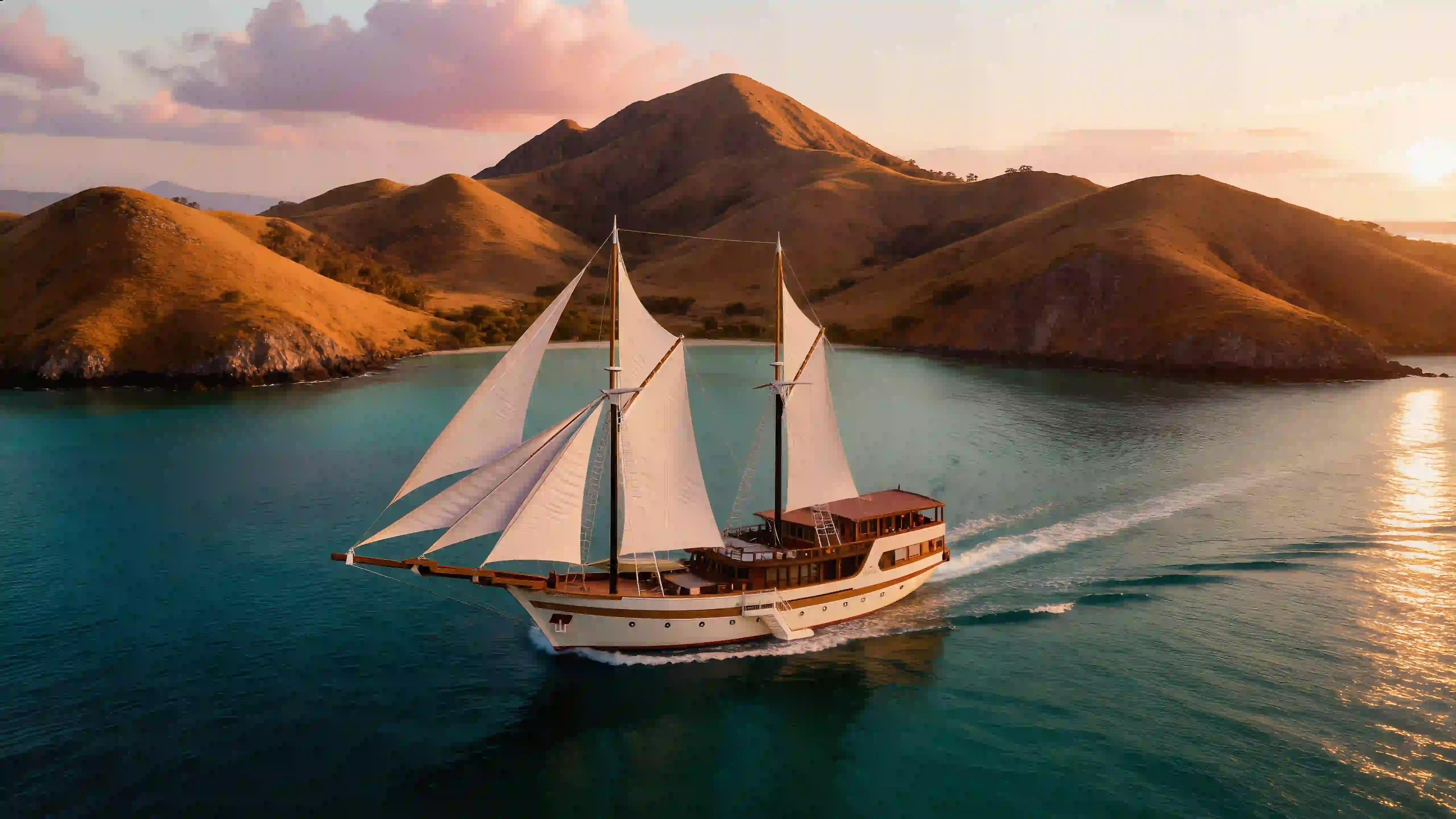

Carbon footprint reduction on Indonesia cruises by 2027 depends most on fuel and waste. A realistic target for Neptune‑level vessels is a 20–30% cut in CO₂ emissions per guest‑night compared with 2023, achieved through cleaner fuel blends, smarter routing, 24‑hour efficient power, and strict single‑use plastic reduction on Neptune Cruise.
How can Indonesia cruises realistically cut emissions by 20–30% before 2027?
For domestic operators, the fastest path to carbon footprint reduction on Indonesia cruises by 2027 is cutting fuel burn per guest. Between Bali and Komodo, typical small cruise yachts still rely on marine diesel, so the focus is on efficiency rather than a full fuel switch.
By upgrading engines and optimizing hull maintenance schedules, operators can reduce fuel use by 10–15% versus 2023 levels. Using routing software to avoid heavy currents between Sape Strait and Labuan Bajo adds another 5–8% reduction, because the vessel spends fewer hours pushing against strong flow. These are realistic changes for vessels in the 20–30 passenger range.
Regulations such as Undang‑Undang No. 17 Tahun 2008 tentang Pelayaran and KBLI 50113 (Angkutan Laut Dalam Negeri untuk Wisata) encourage safer, more efficient operations, but do not yet mandate specific carbon cuts. That means responsible brands must voluntarily exceed minimum standards. By 2027, a well‑run Komodo cruise can credibly demonstrate a 20–30% per‑guest‑night CO₂ reduction versus its own 2023 baseline through logged engine hours, fuel records, and transparent guest reports.
What onboard systems matter most for greener power and comfort?
Many travellers worry that energy savings will mean less comfort. For Neptune‑class yachts, the goal is lower emissions with full amenities, including Neptune Cruise Komodo electricity 24 hours in cabins, bar, and galley. The key is replacing wasteful generators and cooling with efficient systems, not cutting power outright.
Modern inverter air‑conditioning, LED lighting, and variable‑speed pumps can reduce hotel‑load electricity demand by 25–40% compared with older setups measured on similar Indonesian vessels in 2022. When paired with solar‑assisted battery banks sized to cover lighting and electronics during daytime anchorage, generators can idle or run at optimal load instead of inefficient stop‑start cycles.
Guests can ask direct questions before booking: what year were the engines last overhauled, how many kilowatts of solar are installed on board, and how is power managed at night? Operators aligned with Peraturan Menteri Perhubungan No. 59 Tahun 2021 about efficient maritime business operations are increasingly publishing these specs. Expect more Neptune‑level vessels to communicate clear kilowatt‑hour savings per trip by 2027, while still providing continuous air‑conditioning, cold storage, and a fully operational Neptune Cruise Komodo bar and lounge.
How will waste, grey water, and plastics be handled more responsibly by 2027?
Waste and grey water handling on Komodo yachts is a major factor in local environmental impact. While CO₂ happens in the atmosphere, plastics and untreated water affect reefs and manta sites right around Komodo National Park. Indonesian maritime and tourism laws emphasise sustainable practices, even when exact discharge rules vary by zone.
By 2027, serious operators are expected to fit holding tanks for both black and grey water, pumping only at approved offshore points. Effective systems filter kitchen and shower water before storage, preventing oils and micro‑plastics from entering bays such as Padar Island or the route to Taka Makassar. Guests can ask to see the vessel’s tank capacities and written discharge procedures.
Single use plastic reduction on Neptune Cruise is another practical step. By providing refillable glass or stainless‑steel bottles in cabins, large water dispensers, amenity dispensers instead of individual sachets, and reusable straws and stirrers, plastic bottle and cup waste can be cut by more than half per passenger compared with 2020 practice. Clear signposting of these initiatives helps guests participate; some trips even weigh and report total plastic waste per departure to track progress.
What guest experiences support lower carbon trips without losing comfort?
Carbon footprint reduction Indonesia cruises 2027 does not require sacrificing immersion or comfort; it requires smarter planning of activities. For example, aligning itineraries with natural conditions reduces engine hours. The best month for calm seas Komodo cruise itineraries is typically between April and early June, and again around September, when winds and swells between Bali and Labuan Bajo are softer, so engines can operate at efficient cruising speeds.
Onboard, programming can shift away from high‑fuel, high‑speed diversions. Coffee tasting sessions on Neptune Cruise, astronomy evenings on the upper deck, and educational briefings require minimal power but deliver rich experiences. Some departures are evolving into scientist hosted Komodo research voyages, where marine biologists lead plankton tows or reef monitoring sessions. These activities reuse the same tender runs needed for snorkelling instead of adding extra boat trips.
Operators can further reduce emissions by planning clustered snorkel and hike stops. A Taka Makassar sandbank visit on Neptune Cruise, combined with time at nearby Manta Point and a sunset stop at a single anchorage, can replace multiple back‑and‑forth relocations. Guests still enjoy the variety, but overall engine hours and fuel burn per day are lower.
How should pricing, inclusions, and payments reflect eco‑focused operations?
As sustainability features are added, many travellers ask how much is Neptune Cruise Komodo. Prices vary by cabin type, season, and whether the trip is a private charter or shared departure. As of August 2026, typical three‑day shared trips may range from mid to upper mid‑market, while longer five‑day itineraries cost proportionally more due to extra fuel, park fees, and crew days.
Transparent pricing pages should explain Neptune Cruise Komodo what is excluded, such as optional alcoholic beverages, park diving permits, or rental of private photography gear. Clear information reduces unnecessary waste and back‑and‑forth transfers once on board. Guests often pay Neptune Cruise Komodo by bank transfer in Indonesian Rupiah; reputable operators send detailed pro‑forma invoices and banking details, allowing time to arrange travel and suitable neptune cruise komodo insurance coverage that includes marine activities and weather‑related delays.
Eco‑oriented itineraries may include carbon‑offset contributions or small fees to support local conservation projects. These should be itemised, not bundled opaquely into the base fare. Prospective guests can review the dedicated Neptune Cruise Komodo price and packages page to compare options and see how sustainability measures are presented relative to cabin class and sailing month.
What safety and policy details should eco‑aware guests verify before booking?
Responsible operators recognise that safety, environmental care, and guest policies are interlinked. Domestic rules such as Undang‑Undang No. 10 Tahun 2009 tentang Kepariwisataan and Peraturan Menteri Pariwisata dan Ekonomi Kreatif No. 6 Tahun 2025 emphasise sustainable tourism standards under KBLI 50113 for sea tourism transport and 56304 for drink service spaces like onboard lounges.
Before booking, guests should confirm up‑to‑date safety gear, crew training, and written environmental protocols. Policies on bring your own alcohol on Neptune Cruise matter for both safety and waste: glass breakage risk, cooler energy use, and local licensing rules under tourism classifications. Many trips allow limited personal wine or spirits with a corkage policy, while encouraging use of onboard bars that can better control waste management.
Digital information also supports better decisions. Watching an independent Neptune Cruise Komodo video review can reveal how crew manage moorings, engine noise, and reef approach distances. Travellers with families can compare these practices with the operator’s published Neptune Cruise Komodo family friendly trip guidelines and the park’s Responsible Komodo dragon viewing guidelines for 2027 cruises. Serious brands often share scientific inputs, community partnerships, or even Investment opportunities in Komodo cruise ships by 2027 aimed at funding more efficient hulls and hybrid power systems.
- Typical cruising speed Bali–Komodo yachts: around 7–10 knots, with fuel planning logged per leg and per guest‑night.
- Solar support often sized between 1–5 kWp, enough for lighting, electronics, and partial daytime load at anchor.
- Grey and black water holding tanks sized to hold at least 24–48 hours of wastewater before offshore pumping.
- Refillable water bottle systems designed to cut 3–5 single‑use plastic bottles per guest per day.
- Standard itineraries usually include ranger‑guided dragon walks and a Taka Makassar stop on 3–4 day cruises.
- Payments commonly due via bank transfer 30–60 days before departure, subject to specific booking terms.
- Travel insurance recommended to cover medical evacuation, trip interruption, and adverse weather in eastern Indonesia.
Frequently asked questions
how much is neptune cruise komodo
Prices vary by cabin class, season, and trip length. As of August 2026, shorter two–three day itineraries typically sit in the mid‑market range per person, while longer four–five day trips cost more due to extra fuel, park fees, and crew time. Check the latest published rates or ask for a tailored quote for your dates.
is Carbon footprint reduction on Indonesia cruises by 2027 worth it in Bali?
Yes, especially for Bali–Komodo routes where fuel and waste directly affect fragile reefs. Efficient engines, better routing, 24‑hour smart power, and strong waste controls can cut emissions by 20–30% per guest‑night versus 2023 baselines. These measures also often improve comfort, with quieter generators, better air‑conditioning, and cleaner anchorages for snorkelling.
what is included in Carbon footprint reduction on Indonesia cruises by 2027?
It typically includes engine and hull efficiency upgrades, solar‑assisted power, comprehensive grey water handling on Komodo yachts, and strict single‑use plastic reduction measures. Many eco‑focused itineraries add educational briefings, low‑impact activities, and transparent reporting on fuel use and waste. Exact inclusions depend on the vessel, trip length, and what each operator chooses to prioritise.
neptune cruise komodo what is excluded?
Common exclusions are park entrance and diving permits, alcoholic drinks, premium coffees at the Neptune Cruise Komodo bar and lounge, optional excursions, and crew gratuities. Travel insurance is usually separate. Some operators also exclude airport transfers and gear rental. Always check itemised lists and cancellation terms before sending payment to avoid surprises on board.
does faq schema for komodo cruise questions help guests choose greener options?
Structured faq schema for Komodo cruise questions makes it easier for search engines to surface detailed answers on safety, fuel use, waste handling, and itineraries. This transparency helps eco‑aware travellers quickly compare operators on key sustainability and comfort factors, rather than relying only on photos or generic marketing descriptions.
For detailed itineraries, sustainability features, and current offers, review the official Neptune Cruise Komodo price and packages page, then contact the Komodo Luxury desk via WhatsApp 628113823875 or email sales@komodoluxury.com to discuss your preferred 2027 sailing dates.
Last updated 1 August 2026
